
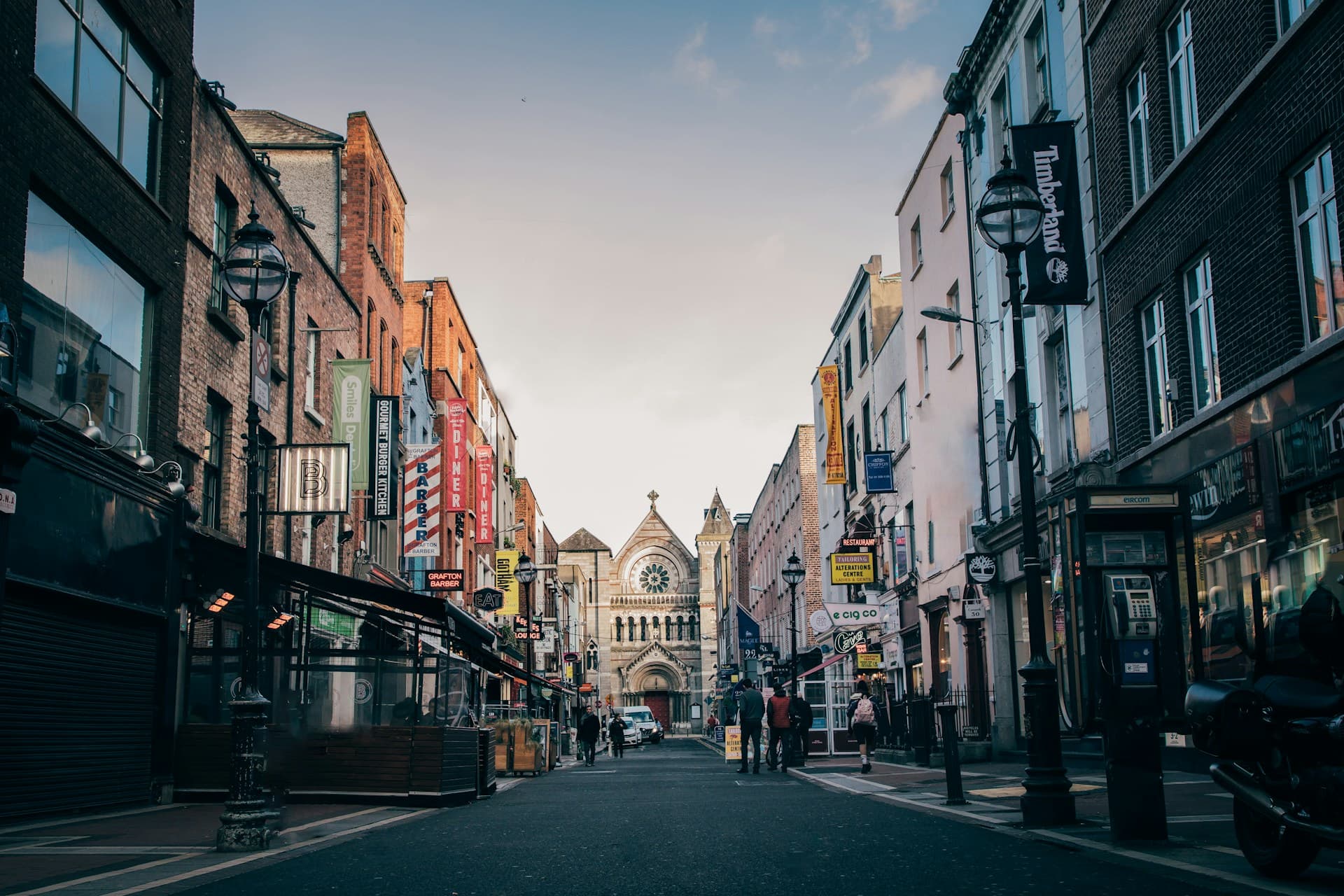
 Study in Ireland
Home to Trinity College Dublin and UCD — English-medium education, EU residency rights and a 2-year graduate stay-back visa.
Why choose this destination?
Ireland has become one of the most practical and strategically valuable study destinations for non-EU students. It is the only English-speaking country in the European Union — which means your degree, your post-study career, and your long-term residency pathway are all built in English.
Dublin alone hosts the European headquarters of Google, Meta, Apple, Microsoft, Amazon, LinkedIn, Twitter/X, Stripe and hundreds of pharma and financial services companies. That density of employers changes what an Irish degree is worth after graduation.
Student Matters has counselled students into Irish universities since the beginning — we understand every stage from AVATS visa preparation to Stamp 1G and Critical Skills Employment Permit. We give you honest advice on fees, living costs, course realism and post-study outcomes.
- Only English-speaking country in the EU
- 2-year post-study work visa (Third Level Graduate Scheme)
- Google, Meta, Apple, Microsoft & Amazon European hubs
- Government of Ireland scholarships + university fee waivers
- Most Master's programmes complete in 1 year
- Safe, compact cities with strong international student communities
Quick Facts
- Tuition
- €12,000 – €25,000 / year (non-EU, indicative 2026–27)
- Visa
- Stamp 2 Student Visa via AVATS (study visa + entry clearance)
- Scholarship
- Government of Ireland International Education Scholarships + university awards
- Top Universities
- Trinity College Dublin · UCD · UCC · DCU · University of Galway · TU Dublin · NCI · Griffith College
Destination snapshot
| Language of instruction | English (only English-speaking EU country) |
|---|---|
| Typical Master's length | 1 year (taught); 2 years research |
| Post-study visa | Stamp 1G — 12-24 months job search permission |
| Employment permit | Critical Skills or General Employment Permit |
| Stamp 4 timeline | 2 years after Critical Skills permit |
| Tuition range | EUR 10,000-25,000/year (non-EU, indicative) |
| Living cost estimate | EUR 900-1,800/month depending on city |
| Key scholarship | Government of Ireland IES (Feb deadline) |
| Currency | Euro (EUR) |
| Part-time work | 20 hrs/week term; 40 hrs/week holiday on Stamp 2 |
// 01
Why Ireland is uniquely valuable for international students
Ireland combines three advantages that are rare to find together: English-medium instruction in an EU country, a 1-year Master's that delivers a full postgraduate qualification efficiently, and a post-study pathway that leads directly into European headquarters of the world's biggest tech and pharma companies.
For students from Pakistan and Bangladesh, Ireland specifically offers the Stamp 2 to Stamp 1G to Critical Skills pathway — a clear immigration route from student to skilled worker to long-term resident, all conducted in English.
- Only English-speaking EU country — critical for future EU mobility and careers
- 1-year Master's: full qualification in 12 months at most Irish universities
- Third Level Graduate Programme: Stamp 1G allows 12-24 months post-graduation job search
- Critical Skills Employment Permit: Stamp 4 in just 2 years for qualifying roles
- Tech employer density: Dublin is Europe's Silicon Valley — Google, Meta, Apple, Microsoft, LinkedIn
- Pharma and life sciences: Cork and Dublin both host major global pharma operations
// 02
Irish universities — from Trinity to regional campuses
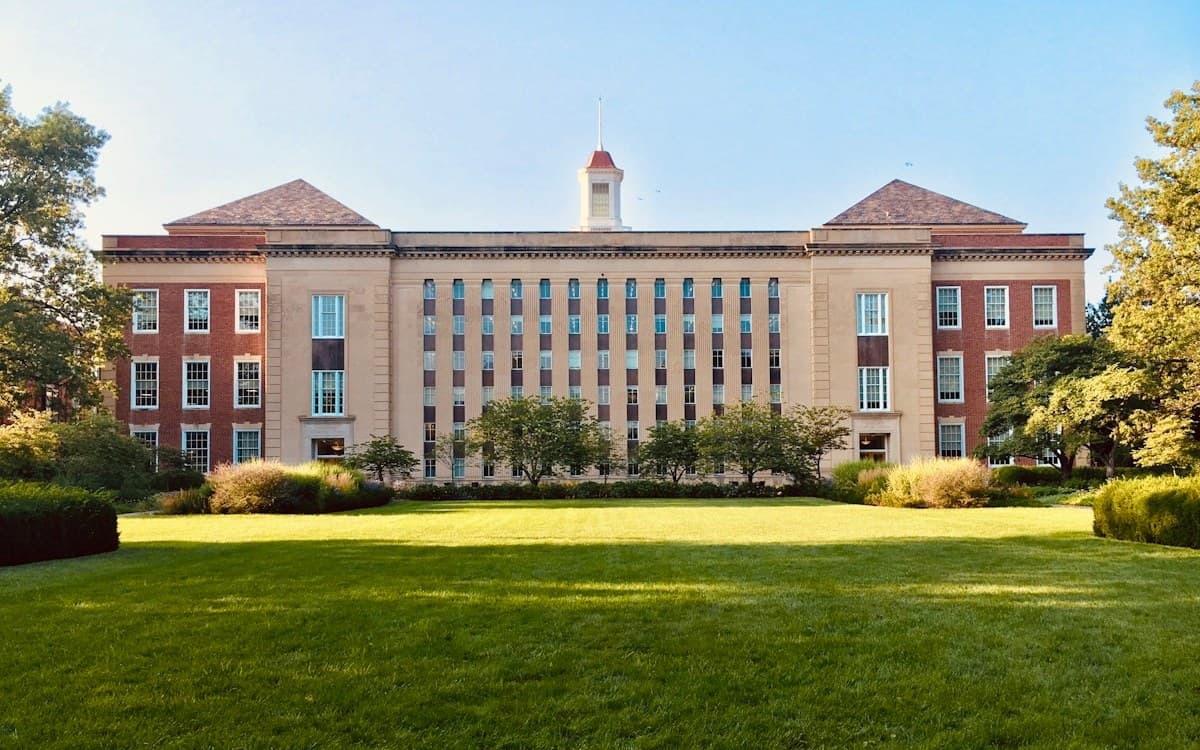
Ireland has a compact but strong university system. Trinity College Dublin (TCD) and University College Dublin (UCD) lead the research rankings. The Technological Universities (TU Dublin, MTU, SETU, ATU) offer more accessible entry at competitive quality. Private colleges (Griffith, NCI, IBAT) fill niche roles.
Student Matters maps your academic profile honestly across the full range — not just the most prestigious names.
- Trinity College Dublin (TCD): research-intensive, global top 100, competitive entry
- UCD: large, strong business and science faculties, significant international student community
- UCC Cork: strong pharmacy, medicine, business; Cork city lower cost than Dublin
- University of Galway: marine science, health, arts; Galway city affordable and vibrant
- DCU: computing, communications; north Dublin; strong industry links
- TU Dublin: accessible entry; Level 8 and postgrad; strong computing and engineering
- Griffith College, NCI: private; faster processing; some ILEP-listed programmes
- RCSI Dublin: medical school; globally recognised; see full RCSI guide
// 03
Ireland Stamp 2 visa — AVATS and what officers look for
Non-EEA students study on a Stamp 2 permission. To get there, you apply for a long-stay 'D' study visa through the Irish AVATS system online. The application must tell a consistent story: genuine student, funded programme, realistic post-study intention.
A weak AVATS file is the most common reason for Irish visa delays or refusals. Student Matters reviews every component before you submit biometrics.
- AVATS online visa application: apply at visas.inis.gov.ie after receiving offer and paying deposit
- Key documents: offer letter, fee payment proof or instalment plan, bank statements, insurance, accommodation plan
- Funds: typically tuition fees + EUR 7,000-10,000 living for year one
- Genuine student test: course must be logical progression from your academic background
- Previous refusals: must be declared — unexplained refusals create significant file problems
- Private medical insurance: required before registration; name must match passport exactly
- Processing: typically 4-8 weeks; September peak season takes longer — apply early

// 04
Cost of studying and living in Ireland
Tuition for non-EU students at Irish universities typically ranges EUR 12,000 to EUR 25,000 per year. Dublin is significantly more expensive to live in than regional cities — rent is the primary driver.
Student Matters builds a realistic total cost of attendance before you choose a university: tuition, insurance, accommodation, transport and daily living all combined.
- Tuition: EUR 10,000-18,000 typical for postgraduate at Technological Universities
- Tuition: EUR 15,000-25,000 for taught Master's at TCD, UCD, UCC
- Dublin rent: EUR 1,000-1,800/month for shared student accommodation — competitive market
- Cork, Galway, Limerick: EUR 700-1,100/month — significantly more affordable
- Part-time work: 20 hours/week during term, 40 hours in summer on Stamp 2
- Health insurance: approx EUR 400-800/year for a basic student plan
- Total 1-year Master's in Dublin: budget EUR 30,000-45,000 all-in conservatively

// 05
Scholarships for Ireland study
The Government of Ireland International Education Scholarships award 60 places per year to non-EU/EEA students already enrolled in Irish institutions. University-specific merit awards are available at most institutions and are worth applying for at time of application.
Student Matters flags all available funding at the shortlisting stage.
- Government of Ireland IES: EUR 10,000 scholarship for enrolled non-EU students; competitive; apply February
- University merit scholarships: 10-30% tuition reduction for strong academic records — apply with main application
- DCU Global Scholarship: for first-year international students; merit-based
- TU Dublin international awards: contact admissions for current round
- Islamic Development Bank (IsDB): relevant for Pakistani and Bangladeshi students
- Student Matters advises: apply for all scholarships simultaneously with your main application — never wait for one result before applying to others

// 06
Post-study pathway — Stamp 1G to Critical Skills to Stamp 4
Ireland's post-study pathway is one of the most structured in Europe. After graduating on Stamp 2, the Third Level Graduate Programme (Stamp 1G) gives you 12-24 months to find graduate-level employment. From there, a Critical Skills Employment Permit leads to Stamp 4 in just 2 years.
See the full Post-Study Options guide for complete pathway detail. Student Matters explains this sequence in the very first consultation — so you choose a course in the right field from day one.
- Stamp 2: study permission — 20 hrs/week work during term
- Stamp 1G: 12 months (Bachelor's/Master's) or 24 months (STEM PhD) post-graduation job search
- Critical Skills Employment Permit: for roles on the Critical Skills Occupations List + salary threshold
- Stamp 4: after 2 years on Critical Skills — full work permission, self-employment allowed
- Citizenship: possible after 5 years continuous legal residence including study years
- Top fields for Critical Skills: software engineering, data science, cybersecurity, nursing, pharma, finance

// 07
Practical arrival in Ireland — IRP, banking and transport
Week one in Ireland is logistically busy. Stamp 2 registration (IRP), campus enrolment, bank account setup and accommodation sorting all happen in the same fortnight. Student Matters SM Launch briefing walks you through every step before you fly.
- IRP registration: Burgh Quay (Dublin) or regional immigration office — book appointment in advance, slots fill fast in September
- Documents for IRP: passport, visa, offer/enrolment letter, insurance, accommodation proof
- Bank account: Bank of Ireland, AIB, An Post Money Card are common student choices
- Revolut / N26: excellent for immediate use before local account opens
- Public transport Dublin: Leap Card (bus/Luas/DART) — student discounts available
- SM Connect alumni network: ask current Dublin students for housing area tips

Explore related guides
Computer Science
MSc CS, Data Science, AI — Critical Skills pathway
Open guideData Science & AI
Analytics and AI-linked programmes in Ireland
Open guideACCA & Accounting
Finance qualifications + Critical Skills permit track
Open guideMedicine / RCSI
RCSI Dublin — full guide, entry requirements, costs
Open guidePost-Study Options
Stamp 1G to Critical Skills to Stamp 4 explained
Open guideScholarships
Government of Ireland, university merit and IsDB awards
Open guideReady to start your Ireland journey?
Talk to a Counselor